
How to Get Keys Out of Locked Car with Automatic Locks? is a frustrating situation that happens to drivers of all kinds: you step away for a moment, the door clicks shut, and the interior light fades while the keys — sometimes with the remote fob or a spare house key — sit just beyond reach. This article walks you through safe, legal, and practical methods to retrieve keys from a locked vehicle with automatic locks. It covers immediate do-it-yourself options you can try right away, when to call professionals, how to avoid causing damage, and preventive measures to stop it from happening again. Each section below is written in paragraph form so you can read advice in a continuous, usable format.
Understanding automatic locks and why keys get trapped
Automatic locks are designed to provide convenience and security by locking doors automatically when certain conditions are met: the vehicle reaches a certain speed, the doors are closed and a lock timer is engaged, or the key remote sends a lock signal. However, modern cars often include fail-safe features that lock all doors if one locks command is sent or if the vehicle senses the key has left the car. Keys can be trapped by accident when a passenger closes a door and the system auto-locks, when a remote fob malfunctions, or simply because of human error — a brief lapse in attention. Understanding that automatic locking systems vary by make and model helps you choose an appropriate method to retrieve the keys without damaging the vehicle or triggering alarm systems.
First-minute actions — do this immediately
When you realize the keys are inside a locked car with automatic locks, your first actions matter. Stay calm and confirm that the car is truly locked: check every door and the trunk because some models allow different doors to remain unlocked even when others are locked. If windows are open a crack (only a small opening), do not force them wider — many vehicles have anti-tamper seals and stretching or trying to wedge tools through the glass can cause expensive damage and trigger alarms. If you have a spare remote, spare key at home, or a family member nearby who can bring a spare, call them right away — this is the fastest, least risky fix. Take note whether the engine is running or the vehicle is in gear; if it is and you cannot access the keys, do not attempt risky maneuvers — call emergency services if the situation is hazardous (for example, if a child or pet is locked inside in extreme temperatures).
Use the vehicle’s built-in safety features
Many modern cars offer built-in options for key retrieval that owners often overlook. If your car supports remote unlocking through a manufacturer app or connected service, use it. Automakers such as Ford, Toyota, BMW, and others increasingly provide smartphone apps or connected services that allow owners to unlock doors remotely after identity verification. If you’ve previously registered your vehicle with such a service, open the app and follow the unlock steps. Some vehicles also include physical keyholes hidden behind trim pieces on the exterior door handle; check your owner’s manual or glance around the driver’s door handle for a removable cap to access the mechanical key slot. Using these manufacturer-provided solutions is safe, does not void warranties, and avoids damaging weather seals or electronics.
Try non-destructive DIY entry methods carefully
If manufacturer remote options and spare keys are not available, there are non-destructive DIY techniques that can work for many automatic-lock vehicles. One commonly effective method is to use a long, thin tool to manipulate the interior lock button or grab the key. A commercially available “slim jim” or inflatable wedge and long reach tool kit is designed for this purpose. To use these safely, create a small gap at the top of the door by introducing an inflatable wedge or a plastic wedge between the window and the weather seal. Slowly inflate to create a space large enough to slide in a long reach tool. Use the long reach tool to press the interior unlock button, pull up the manual lock, or twist the key free. Be cautious: metal slim jims can damage internal wiring or the window regulator, and forcing anything can bend or break the window seal. For cars with side airbags, avoid inserting anything that could interfere with the airbag deployment area. If you attempt this, proceed gently and stop if you encounter resistance.
Use a coat hanger or similar in an emergency — risks and technique
A makeshift method is fashioning a hook from a wire coat hanger to retrieve keys, though it carries risks and may be ineffective on many modern cars whose interior lock mechanisms are recessed and covered. To try this, straighten the hanger and bend one end into a hook, then insert it carefully through the top corner of the door gap if there is any. Aim to hook the key ring or the metal part of the key and pull it toward the open window area. This technique works only when there is a usable gap and when the interior layout allows hooking the keys. Because modern cars have reinforced seals and protective interior panels, a hanger can easily get stuck or cause scratches and cosmetic damage. Weigh the urgency against the risk: for non-urgent situations, it’s better to call a professional locksmith.
Dealing with key fobs and electronic immobilizers
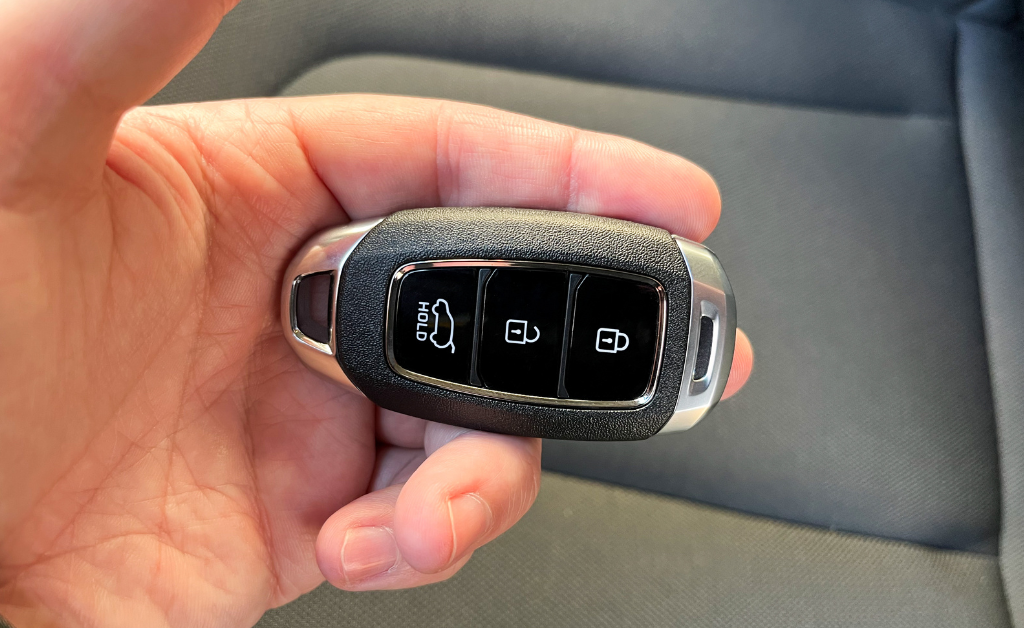
Locked keys that include a smart key fob present different challenges because the fob may also be the ignition or immobilizer token. If your fob battery is dead and the vehicle has a backup mechanical key slot, use the mechanical key to unlock the door and then place the fob in the designated emergency sensing spot (often inside the center console or near the start button) to start the car. If the fob is inside the car and the doors are locked, modern systems often prevent the car from driving off without the fob being present; in many cases the vehicle will not start unless the fob is detected even if the key is in the ignition, which is a security feature. If your fob is locked inside, do not attempt to break glass to retrieve it because replacing window glass and dealing with potential alarm activation is costly. Instead, prioritize contacting roadside assistance, the dealership, or a mobile locksmith experienced with electronic keys.
When to call roadside assistance or a locksmith
Calling roadside assistance or a professional locksmith is the safest option when quick, damage-free access is essential or when the vehicle contains valuable items, children, pets, or sensitive equipment. Roadside services affiliated with your insurance or automobile association often include lockout assistance and use methods designed to minimize damage. Professional locksmiths have specialized tools and training to access locked cars quickly, and many carry code readers and key programming devices required to replace smart keys. When you call, provide the locksmith or assistance provider with your vehicle make, model, year, and a description of the problem. Expect to show proof of ownership or identification before they unlock the car — this prevents unauthorized access. Costs vary by provider and time of day, but the expense typically outweighs the damage and stress of a botched DIY attempt.
Avoiding damage — what NOT to do
Do Not Force the Door Open
Forcing the door open is one of the quickest ways to damage your vehicle. Modern car doors are tightly sealed with delicate weather stripping, electronic sensors, and alignment points that can easily bend if you apply too much pressure. Trying to yank, pull, or kick the door can result in expensive repairs, including misaligned frames or malfunctioning locks. Instead of using force, always rely on safe entry methods or call a professional locksmith when needed.
Avoid Using Sharp or Heavy Tools
Sharp objects like screwdrivers, knives, or metal rods can scratch the paint, damage the lock, or even puncture the rubber seals around the door. Heavy tools can also crack windows or dent the bodywork. These mistakes often lead to repair costs far higher than the price of a professional unlocking service. It’s always best to avoid improvised tools that aren’t designed for vehicle entry.
Do Not Break the Window Unless It’s an Emergency
Breaking a window should always be your last resort and only considered in real emergencies, such as a child or pet trapped inside. Shattered glass is dangerous and can cause injury, while replacing a car window is costly. Additionally, modern cars often have laminated glass that is harder to break, making it even more risky and ineffective. Only break a window if lives are at risk.
Avoid Prying Near Wiring or Sensors
Modern vehicles have electronic components placed near doors and windows, including airbag sensors, wiring harnesses, and anti-theft systems. Prying in these areas can cause unintended damage, triggering warning lights or disabling keyless functions. Interfering with these systems may also lead to expensive diagnostic and repair procedures at the dealership.
Do Not Tamper With the Car’s Weather Stripping
Weather stripping around the doors helps keep your car insulated and watertight. Trying to peel or pull it back to insert tools can cause it to tear or lose adhesion. Once damaged, weather stripping often needs full replacement to prevent leaks and wind noise. It’s not worth risking long-term issues for a quick entry attempt.
Avoid Using Coat Hangers on Modern Cars
Coat hangers were once a common trick for unlocking older vehicles, but they’re practically useless—and potentially harmful—on modern models. Newer cars have shields inside the doors that prevent coat hangers from reaching the lock mechanism. Attempting this method can result in scratched windows, bent trim, or damaged locking components.
Do Not Disconnect the Battery Without Knowing the Risks
Some people mistakenly think disconnecting the battery will reset the locks or alarm system. In reality, it rarely helps and can cause new issues, including radio lockout codes, ECU resets, or malfunctioning electronics. Disconnecting the battery is unnecessary and risky unless guided by a professional.
Avoid Applying Excessive Pressure to the Lock Mechanism
Pushing too hard on the lock or repeatedly trying to force the key can cause the lock cylinder to jam or break. If your key won’t turn or the lock feels stiff, don’t force it. A jammed lock can make the situation worse and may require a full lock replacement.
Do Not Use Improvised Tools on Keyless Entry Systems
Keyless entry systems rely on sensors and delicate electronics. Using metal objects or makeshift tools near the door handle or sensor area can interfere with the signals or scratch the surface. These systems are sensitive and should be handled with extreme care, making DIY solutions unsafe and unreliable.
Avoid Calling Unverified or Unlicensed Locksmiths
Choosing the wrong locksmith can result in more harm than good. Untrained or unlicensed locksmiths may use outdated or damaging techniques that harm your vehicle. Always check for certifications, reviews, or trusted referrals before hiring anyone to unlock your car.
Do Not Ignore Signs of Lock or Key Malfunction
If your key struggles to turn, the fob behaves inconsistently, or the lock sticks, don’t ignore the signs. Continuing to use a malfunctioning lock or key increases the risk of it breaking at the worst possible time. Addressing the issue early can prevent expensive repairs and inconvenient lockouts.
Avoid Using Excessive Force on the Door Handle
Pulling too hard on the door handle can break internal components or snap the handle entirely. Car door handles are designed for normal use, not extreme pressure. If the car is locked, applying more force will not help and will only cause damage.
If a child or pet is trapped — immediate safety steps
If a child or pet is locked inside a car, every minute counts, especially in hot or cold weather. If you cannot retrieve the keys immediately and the vehicle is in danger of overheating or becoming dangerously cold, call emergency services for immediate help. While waiting for first responders, try to keep the vehicle ventilated if possible (e.g., if a window is slightly open), and find shade or remove the vehicle from direct sunlight if you can do so safely. Emergency personnel are authorized to break into vehicles to rescue children or pets in life-threatening situations.
How to retrieve keys from the trunk or rear seats
If keys are trapped in the trunk or rear seats, the retrieval method depends on whether your vehicle has a fold-down rear seat release or an interior trunk release. Many modern cars include a glow-in-the-dark handle inside the trunk as an anti-entrapment feature; if reachable, use it to open the trunk from the inside. If the keys are on the rear seat and you can open a rear window or access a rear door via a tiny gap, the long reach tool or a wedge technique can work. If the car has a foldable rear seat release accessible from the trunk side, this can allow access without damaging the car. If none of these options are available, a locksmith or roadside assistance can often open the car quickly and safely.
Using spare keys and key management strategies
Here are Using Spare Keys and Key Management Strategies in bullet form:
- Keep a spare key in a secure but accessible place at home to avoid emergency lockouts.
- Store the spare key in a waterproof and fireproof box to prevent damage over time.
- Give a trusted family member or close friend a spare key for backup situations.
- Avoid hiding spare keys inside or around the car, as thieves commonly check those spots.
- Label spare keys discreetly without writing your car model or registration number.
- Use a magnetic key holder only if you place it in a hidden, unpredictable location.
- Consider keeping a spare key in your work locker or desk for added convenience.
- Invest in a digital key safe that allows PIN access for multiple household members.
- Track your keys using Bluetooth key finders to avoid accidental misplacement.
- Maintain a dedicated key hook or bowl at home to establish a consistent habit.
- Regularly test your spare key to ensure the battery (for fobs) or blade still works.
- Keep your key fob battery replaced on a schedule to prevent unexpected failures.
- Avoid tossing keys carelessly into bags to reduce the risk of physical damage.
- Maintain a checklist of all your vehicle keys, including spares and valet keys.
- Store spare smart keys or fobs in Faraday pouches to prevent signal hacking.
Replacing lost keys and fobs — what to expect
If your keys are truly lost and cannot be retrieved, replacing them depends on the type of key. Traditional mechanical keys are usually inexpensive to cut at a locksmith or hardware store. Transponder keys and smart key fobs cost more because they must be programmed to your vehicle’s immobilizer system; pricing depends on the make and model and whether the programming can be done by a locksmith or requires dealer equipment. Expect to verify ownership and present vehicle registration or title when getting replacements. For smart keys, dealers often charge a premium, but many mobile locksmiths now have the equipment to program fobs at lower rates. Keep receipts and update your key management strategy after replacement to prevent future lockouts.
Legal and ethical considerations
Always act lawfully when attempting to retrieve keys from a locked car. Attempting to access a vehicle that is not yours without owner permission can be considered attempted theft or vandalism. If you found the keys inside a vehicle that you do not own, contact local authorities or the owner if possible. If you use a locksmith, ensure they are a licensed and reputable provider and ask for identification and a written estimate before any work starts. For cars with tracking or telematics, avoid sharing app credentials with untrusted parties; unauthorized remote unlocking can create legal exposure.
Cost comparison: DIY vs. professional help
The cost of resolving a locked-key situation ranges from zero (if you have a spare nearby) to several hundred dollars for dealer assistance and key replacement. DIY tools like inflatable wedges and long reach tools can be purchased economically and reused, but incorrect use can lead to costly repairs that outweigh their initial price. Professional locksmiths typically charge an on-site call fee plus labor, and programming smart keys will add to the bill. Roadside assistance plans often include lockout service for an annual fee; if you’re a frequent traveler or own a vehicle with an expensive smart key, such a plan can be a cost-effective insurance policy.
Frequently Asked Question About How to Get Keys Out of Locked Car with Automatic Locks?
Can I unlock my car myself if it has automatic locks?
Yes, you can sometimes unlock it yourself if you have the right tools like an inflatable wedge and a long-reach rod. However, automatic locking systems are designed for security, so they can be difficult to bypass without the proper equipment. If you’re unsure, it’s best to call a professional locksmith to avoid damage.
Is it safe to use a coat hanger or slim jim to unlock my car?
Using a coat hanger or slim jim can work on older vehicles with manual locks but is risky for modern cars with automatic or electronic locks. These tools can damage wiring, airbags, or door seals. It’s safer to use purpose-built lockout tools or call a locksmith.
How much does it cost to get keys out of a locked car?
The cost depends on your location, vehicle type, and time of day. On average, roadside assistance or a locksmith charges between £40 and £120. If your car has an advanced locking system or keyless entry, the cost may be higher.
Can I use my phone or app to unlock the car?
Yes, many modern vehicles like Ford, BMW, Tesla, and Toyota offer mobile apps that let you unlock your car remotely once you verify your identity. If you’ve already registered your car with the manufacturer’s connected services, use the app to unlock your car instantly.
What should I do if my key fob is locked inside the car?
If your smart key or key fob is inside the car, contact your car’s roadside assistance or dealer. Most vehicles have safety systems that prevent locking the fob inside, but malfunctions can occur. A professional can safely open the car without damaging the locks.
Will breaking a window affect my insurance?
If you break a window to retrieve keys during an emergency, such as when a child or pet is trapped inside, your comprehensive car insurance may cover the repair. However, breaking a window without a legitimate emergency could void coverage or raise costs.
Can a locksmith unlock any type of car?
Yes, experienced automotive locksmiths can unlock nearly any make or model, including vehicles with keyless or smart locking systems. They use specialized tools and diagnostic equipment that allow them to open cars safely without damage.
What if I’m locked out and it’s an emergency?
If a child, elderly person, or pet is locked inside the vehicle and at risk, call emergency services immediately. They are authorized to break the window or open the car safely to prevent harm. Time is critical in such situations, so act fast.
Conclusion
To minimize future incidents, adopt a short checklist: always carry a spare key or leave one with someone you trust, register and test your vehicle’s remote services and apps, attach a tracker to your key ring, and consider a roadside assistance membership that includes lockout services. Learn where your vehicle’s mechanical key slot or emergency sensing area is located so you aren’t scrambling in an emergency. Keep important documents like proof of ownership in a secure, accessible place for when you need to call a locksmith or dealer. Finally, practice a quick mental routine when leaving the car: pockets, purse, dash — verify keys before you close the door.
Retrieving keys from a locked car with automatic locks can be straightforward if you remain calm, choose non-destructive methods first, and call professionals when safety or complexity demands it. With a few preventive habits and knowledge of your vehicle’s features, you can greatly reduce the chance of getting stranded by your own keys.