
A car key fob not working is one of the most frustrating small problems a driver can face. You press the button, nothing happens, and suddenly a simple trip becomes a hassle. The good news is that most key fob faults are easy to diagnose, and many can be fixed in minutes without a garage visit. This guide walks through eight checks, moving from the simplest to the most involved, and explains when it is time to replace or reprogram the fob.
You can find more practical guidance in our Car Key Advice section and across the wider Rapid Lock Services blog.
Common Reasons a Key Fob Stops Working
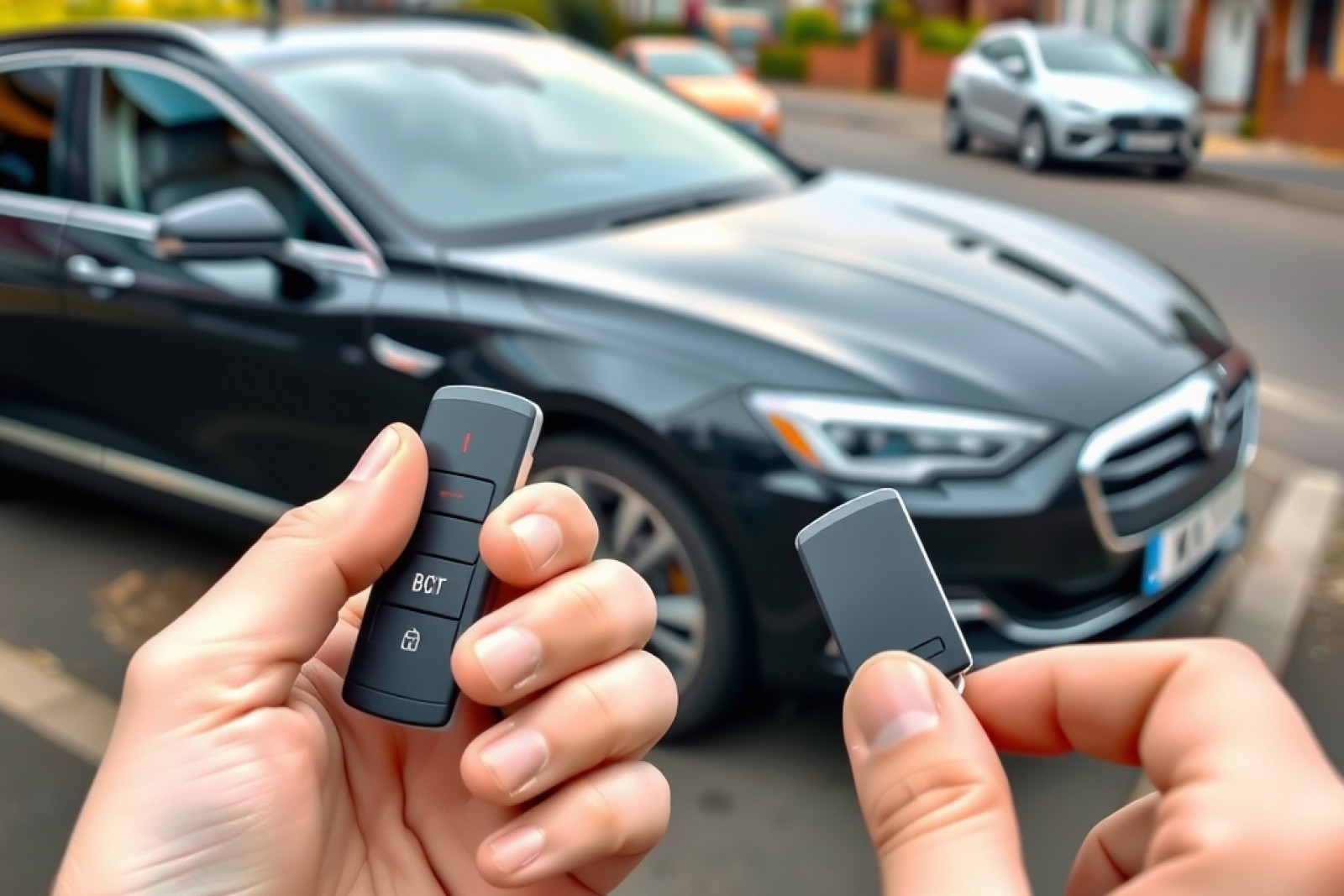
If your key fob stopped working, the cause usually falls into one of these groups:
- A weak or dead battery
- Dirty or corroded battery contacts
- Radio signal interference
- The fob losing sync with the car
- Water damage or worn buttons
- A failed internal chip or circuit board
- A fault on the car side, such as a low car battery or faulty receiver
Work through the list in order. The first few checks cost little or nothing.
Check the Battery and Contacts
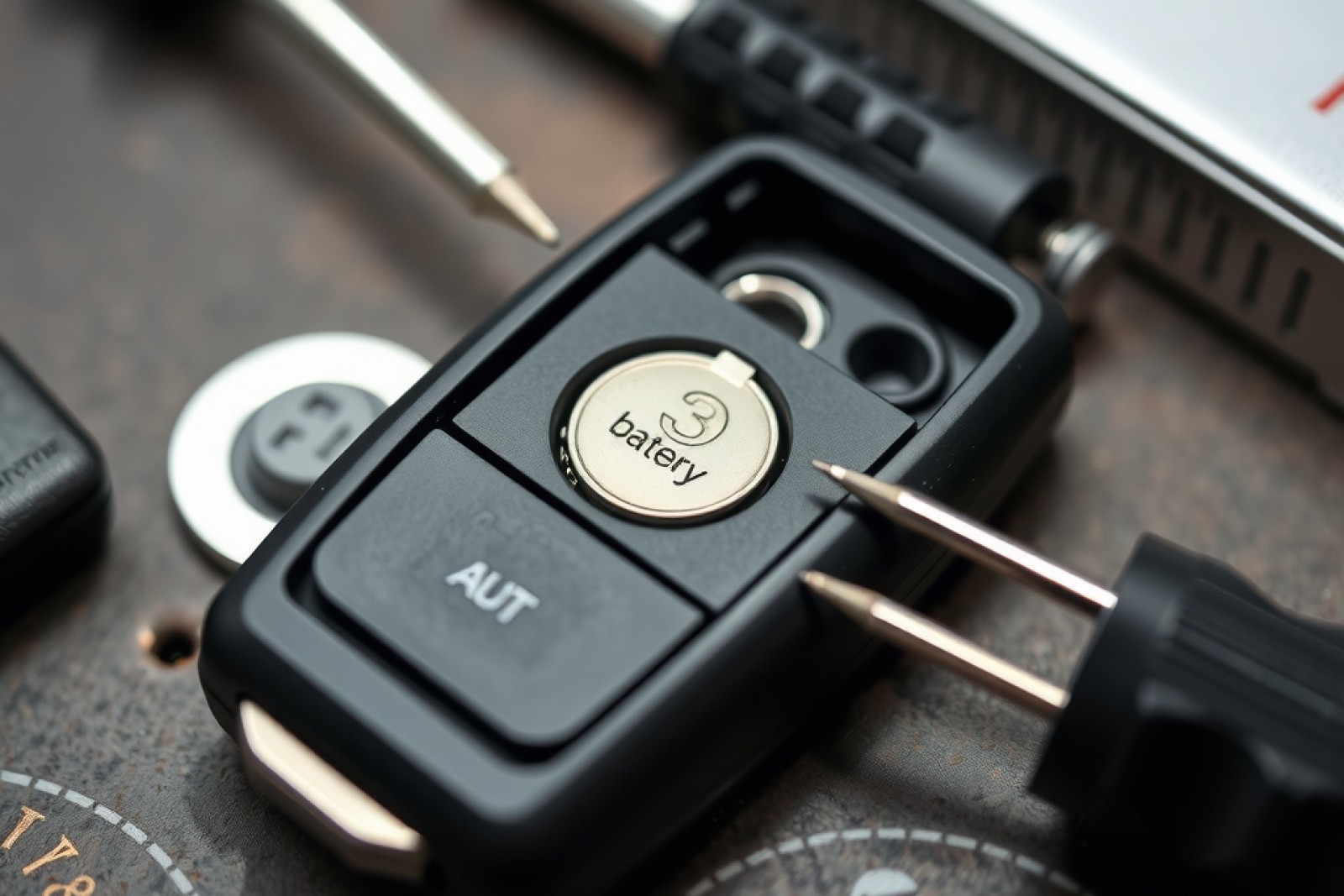
The battery is the most common culprit. Typical warning signs are a shorter range, needing several presses before the car responds, or a dashboard message about the key battery. If your remote key is not working at all, start here.
- Open the fob carefully. Many have a small slot where a flat screwdriver or coin can release the cover.
- Note which way up the battery sits before removing it.
- Check the battery type printed on it, often a CR2032 or CR2025, and fit a fresh one of the same type.
- Look at the metal contacts. If they look dull, greasy or green, gently clean them with a dry cotton bud.
- Refit the battery firmly and close the case until it clicks.
Why is my car key fob not working but the battery is new?
This is a common question. A new battery can still fail to help if it is the wrong type, fitted upside down, or not sitting firmly on the contacts. Cheap batteries can also be flat or weak straight from the packet. If a fresh, correct battery does not help, move on to interference and resync. Our guide on whether a dead key fob battery can stop your car starting explains what to do if the car itself will not respond.
Signal Interference and Range Problems
Key fobs send a low-power radio signal, so strong interference can block it. If your key fob works only up close, or only works in certain places, interference is a likely cause. Common sources include:
- Car parks near radio masts, large electrical equipment or industrial sites
- Other remote devices or aftermarket electronics in the car
- Phones, tablets or other fobs kept in the same pocket or bag
- Metal pouches or signal blocking cases, if the fob is stored in one
Try the fob in a different location, hold it closer to the driver’s door handle, and press the button while pointing it at the car. If it works elsewhere, the location was the problem. If you use a signal blocking pouch for security, make sure you take the fob out fully before testing it.
How to Resync Your Key Fob
Sometimes the fob and car simply lose their connection. This can happen after a battery change, after the fob has been pressed many times out of range, or after the car battery was disconnected. If your key fob is not unlocking the car but the battery is fine, try a resync.
The exact method varies by make and model, so check your handbook first. Common approaches include:
- Sitting in the car, closing all doors, and turning the ignition on and off several times in quick succession
- Pressing and holding the lock and unlock buttons together for a few seconds near the car
- Inserting the physical key into the driver’s door lock, turning it to lock and unlock, then trying the fob again
Not every car supports a DIY resync. Many modern vehicles need diagnostic equipment to reprogram a key fob. Do not repeat random button sequences for long, as this achieves nothing and can waste your time.
Car key fob not locking doors
If the fob unlocks the car but will not lock it, check that every door, the boot and the bonnet are fully closed. A door that is not latched properly can stop the central locking from responding. If all doors are closed and the problem remains, the fob button may be worn or the receiver may be faulty.
Water Damage and Worn Buttons
Fobs live in pockets, bags and cup holders, so they get knocked about. Moisture is a serious problem, especially in the wetter parts of the UK. If the fob has been through the wash or dropped in a puddle:
- Remove the battery straight away
- Open the case and let it dry naturally for at least a day
- Do not use a hairdryer or heater, as heat can damage the circuit board
- Clean any residue from the board and contacts with a dry cotton bud
Worn rubber buttons are another cause. If you have to press hard on one spot, or one button works and others do not, the internal contact pad may be worn. Sometimes a replacement shell or button pad fixes it, but heavy wear often means a new fob is better value.
When to Replace or Reprogram the Fob
You have probably reached the end of the DIY options if:
- A new, correct battery makes no difference
- Resyncing does not work or is not possible for your car
- The fob has water damage, cracks or a snapped circuit board
- The car does not recognise the fob at all
- You have lost the fob completely
At this point, a professional can check whether the fob can be reprogrammed or whether a new one is needed. Reprogramming is often enough when the fob is physically fine but has lost its link to the car. If the electronics have failed, replacement is the answer. Rapid Lock Services helps with car key fob replacement and key programming for brands including Mercedes, Vauxhall, Hyundai and Nissan, and serves customers across the UK and Central Scotland.
Before you book a replacement
- Have your registration number and car make, model and year to hand
- Check whether you still have a working spare key, as that can make programming simpler
- Check your insurance policy, as some include key replacement cover
Final Thoughts
When your car key fob is not working, start with the battery and contacts, rule out interference, then try a resync before assuming the worst. Water damage and worn buttons are easy to spot, and a failed chip is the main reason to replace the unit. If you have tried these steps and the fob still will not respond, contact Rapid Lock Services for advice on reprogramming or a replacement, and get back on the road without unnecessary dealership delays.