
When you’re buying a car and discover it only comes with one key, you’ve just found valuable leverage. Negotiating car price no spare key situations can save you hundreds of pounds if you approach it correctly. Most UK buyers overlook this opportunity, but a missing spare key represents a genuine cost you’ll need to cover, and dealerships know it.
This guide walks you through exactly how to calculate replacement costs, determine fair discounts, and use proven negotiation tactics to reduce the purchase price when a vehicle lacks a spare key.
Why Missing Spare Keys Give You Negotiating Power
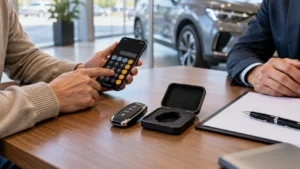
A car sold with only one key presents several practical problems that justify a price reduction. First, you’re immediately vulnerable to being locked out or losing your only key, with no backup option. Second, you’ll need to pay for a replacement key yourself, which for modern vehicles with transponder chips and remote functions typically costs between £150 and £500 in the UK.
Dealerships are aware of this inconvenience. When they accept a trade-in with one key, they either factor the replacement cost into what they pay the previous owner or should reduce the retail price accordingly. If they haven’t done so, you have legitimate grounds to request a discount.
The absence of a spare also raises questions about how well the vehicle was maintained overall. While not always the case, a missing spare can signal an owner who didn’t prioritise vehicle care, giving you additional negotiating angles around service history and condition.
Understanding whether a dealership can legally sell a car without a spare key helps strengthen your position during negotiations, as you’ll know your rights and their obligations.
Calculate the True Cost of Replacement Keys
Before entering negotiations, research the exact replacement cost for the specific make and model you’re considering. Prices vary dramatically based on the vehicle’s technology. A basic key for an older car might cost £100 to £150, while a smart key for a premium German brand can reach £400 to £500 or more.
Get quotes from multiple sources to establish an accurate figure:
- Main dealerships (typically the most expensive option)
- Independent auto locksmiths (often 30-50% cheaper than dealers)
- Mobile key cutting services
- Specialist key programming services
For the most accurate pricing information, check our detailed breakdown on lost car key replacement costs in the UK for 2026, which covers different vehicle types and service providers.
Don’t forget to factor in programming costs. Modern transponder keys require specialist equipment to program to your vehicle’s immobiliser system, which adds £50 to £150 to the total bill. If you’re looking at a specific brand, you might also want to review the cheapest replacement car key options in the UK to understand your future costs.
How Much Discount to Request for a Missing Spare
Once you know the replacement cost, use it as your baseline but don’t limit yourself to that exact figure. In commercial negotiations, starting higher gives you room to compromise. Here’s a practical approach:
Starting position: Request 1.5 times the replacement cost. If a spare key would cost £300, ask for a £450 discount. This accounts for your inconvenience, the security risk of having only one key, and the time you’ll spend arranging a replacement.
Acceptable outcome: Be prepared to settle for the full replacement cost (£300 in this example) as a realistic target. This represents a fair discount that covers your actual expense without eliminating the dealer’s profit margin.
Minimum acceptable: Don’t accept less than 75% of the replacement cost unless other concessions are included, such as a full tank of fuel, extended warranty, or included servicing.
Remember that dealerships often have more flexibility on used vehicles than new ones. If you’re buying used, you have stronger negotiating power, especially if the car has been on the forecourt for several weeks.
Effective Negotiation Scripts for UK Car Buyers
How you phrase your request matters significantly. Here are proven scripts that work in UK dealership settings:
Opening approach: “I’m very interested in this vehicle, but I’ve noticed it only comes with one key. Getting a replacement spare programmed for this model costs around £350. Would you be able to reduce the price by £500 to account for this and the inconvenience?”
If they offer to get a key cut: “I appreciate that offer, but I’d prefer a price reduction instead. That way I can choose a locksmith I trust and arrange it at my convenience. Could we take £400 off the asking price?”
If they refuse initially: “I understand your position, but every other buyer will have the same concern about the missing key. It’s likely to affect how quickly you sell this car. Meeting me halfway at £300 off seems fair for both of us.”
Closing approach: “If you can reduce the price by £350 to cover the key replacement, I’m ready to move forward today. Can we agree on that?”
Notice these scripts are polite but firm, specific about costs, and reference actual replacement prices. Avoid vague requests like “Can you do anything about the missing key?” which invite minimal responses.
Timing Your Negotiation: When to Raise the Key Issue
Bring up the missing spare key at the right moment to maximise your leverage. Don’t mention it during your initial viewing or test drive. Instead, demonstrate genuine interest first, then raise the issue during price negotiations.
The ideal sequence is:
- Complete your test drive and vehicle inspection
- Express serious interest in purchasing
- Ask for their best price
- After they’ve stated their position, introduce the missing key as a concern
- Present your researched replacement costs and discount request
End-of-month timing also works in your favour. Dealerships often have monthly sales targets, and salespeople are more motivated to negotiate on the 28th than the 5th of the month. Similarly, quieter winter months (January and February) typically see more flexible pricing than busy spring months.
If you’re buying from a private seller rather than a dealer, the same principles apply but you may find individuals more willing to negotiate since they don’t have the overhead costs of a dealership.
What to Do If the Dealer Refuses a Discount
Not every negotiation succeeds, but you have options if the seller won’t budge on price. First, request they include a spare key as part of the sale. This shifts the replacement cost to them, and they can often get keys cut cheaper than you can through trade accounts.
If they refuse both a discount and a spare key, consider these alternatives:
Ask for other concessions: Free first service, extended warranty, full tank of fuel, new tyres if needed, or inclusion of floor mats and accessories. These have value even if they’re not cash off the price.
Walk away: Sometimes the best negotiation tactic is being willing to leave. If the dealer knows you’re serious about walking away over this issue, they may reconsider. Be prepared to actually leave, not just threaten it.
Shop elsewhere: If this particular dealer won’t negotiate reasonably, others will. The UK used car market is competitive, and you’ll find similar vehicles elsewhere, many with two keys included.
Document your position by getting quotes for key replacement in writing from local auto locksmiths. Showing the dealer a printed quote for £380 from a reputable locksmith is more persuasive than saying “I heard keys are expensive.”
For more insight into your options and rights, explore additional guidance in the Car Key Advice section of our site.
Getting the Discount Agreement in Writing
Once you’ve successfully negotiated a discount for the missing spare key, ensure it’s documented properly in your sales paperwork. The reduction should appear as a line item on your invoice or sales contract, not just as a verbal agreement.
Acceptable documentation includes:
- A specific line showing “Discount: Missing spare key – £350”
- An amended sale price with a note explaining the reduction
- An email confirmation from the salesperson detailing the agreed discount
This documentation serves two purposes. First, it prevents any confusion if you’re dealing with multiple staff members or if your salesperson isn’t present when you collect the vehicle. Second, it provides proof of what you paid, which matters for insurance valuation and future resale.
Before signing anything, verify the final price reflects your negotiated discount. Dealerships occasionally make administrative errors, and catching them before signing is far easier than trying to correct them afterward.
If you’re financing the vehicle, confirm whether the discount applies to the amount financed or is structured differently. The reduction should lower your loan amount, not just appear as a deposit contribution that doesn’t reduce what you’re borrowing.
Additional Considerations for UK Buyers
When negotiating car price no spare key situations, remember that your consumer rights under UK law still apply. The vehicle must be of satisfactory quality, fit for purpose, and as described, regardless of how many keys it comes with.
If you’re buying on finance, the missing spare key might affect your approval or the interest rate offered, as it impacts the vehicle’s value. Mention your negotiated discount to the finance provider so they work with the correct purchase price.
Consider whether you want to get the spare key made immediately or wait. Having it done before collection means you drive away with two keys, but arranging it yourself after purchase gives you more choice over the locksmith and lets you use the discount for other purposes if your budget is tight.
For broader context on buying vehicles with key issues, you might find it helpful to read more insights on the blog, which covers various scenarios UK car owners face.
Successfully negotiating a car price reduction for a missing spare key comes down to preparation, timing, and confidence. By researching replacement costs, presenting clear figures, and being willing to walk away if necessary, you put yourself in a strong position to save several hundred pounds on your next vehicle purchase.