
Buying or selling a car in a private sale car without spare key scenario is increasingly common in the UK. Whether you’re the seller with only one key to hand over or a buyer considering a vehicle that comes with a single key, understanding the legal requirements, pricing implications, and protection measures is essential for a smooth transaction.
Unlike dealership sales, private transactions between individuals carry different legal protections and disclosure obligations. This guide walks you through everything you need to know when buying or selling my car with one key privately, from legal requirements to negotiation tactics and contract clauses.
Private Sales vs Dealership Sales: Key Differences

The rules governing private car sales differ significantly from those that apply to registered dealers. When a dealership sells a car without a spare key, they operate under the Consumer Rights Act 2015, which provides buyers with substantial legal protections and remedies.
In a private sale, the Sale of Goods Act 1979 applies instead. This legislation offers far fewer protections to buyers. The vehicle must match its description and the seller must have legal ownership, but there is no implied warranty of satisfactory quality or fitness for purpose as there would be with a dealer.
This means that when buying used car private seller one key situations arise, the principle of caveat emptor (buyer beware) applies more strongly. You have less legal recourse if problems emerge after the sale, making pre-purchase checks and clear documentation even more critical.
Legal Disclosure Requirements for Private Sellers
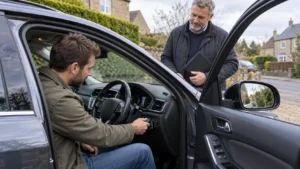
While private sellers have fewer obligations than dealers, they are not exempt from honesty requirements. Under UK law, a private seller must not misrepresent the vehicle or make false claims about its condition or history.
Do I have to tell buyer no spare key private sale? Strictly speaking, there is no specific legal requirement to proactively disclose that only one key is included. However, if a buyer asks directly about spare keys, you must answer truthfully. Lying or deliberately misleading a buyer could constitute fraud or misrepresentation, which may give the buyer grounds to seek legal recourse.
Best practice is to be upfront about the missing spare key in your advert and during viewings. This transparency helps build trust, avoids disputes later, and demonstrates honesty that may make buyers more comfortable with the transaction overall. The V5C and missing spare keys do not need to be noted on the logbook itself, but the sale documentation should reflect the actual number of keys provided.
How to Price Your Car When Selling with One Key
A missing spare key affects your car’s value. Buyers know they will need to budget for a replacement key, which can cost anywhere from £100 to over £400 depending on the make, model, and key technology. This cost expectation will influence their offer.
As a general rule, expect to reduce your asking price by £50 to £150 to account for the inconvenience and cost of obtaining a spare. For vehicles with expensive electronic key fobs (such as prestige or modern keyless entry cars), buyers may request a larger reduction of £200 to £300.
When setting your price, research what similar vehicles with two keys are listed for and adjust accordingly. Be prepared to justify your price if challenged, and consider getting a quote from a professional auto locksmith for key replacement costs to show buyers the actual expense involved.
Being realistic about pricing helps your car sell faster and avoids protracted negotiations where the missing key becomes a sticking point.
Red Flags When Buying Privately with Only One Key
Is it safe to buy a car with one key from private seller? In many cases, yes, but certain warning signs should prompt extra caution or even walking away from the deal.
First, verify that the seller genuinely owns the vehicle. Check the V5C logbook name matches the seller’s ID, and confirm the vehicle identification number (VIN) on the paperwork matches the VIN on the car itself. A missing spare key combined with inconsistent paperwork may indicate the car has a questionable history.
Second, ask why the spare key is missing. A plausible explanation (lost during a house move, stolen in a burglary) is normal. Vague, evasive, or changing stories should raise concerns. If the seller cannot explain what happened to the spare, it may suggest they are not the legitimate owner or that the car was repossessed or recovered after theft.
Third, check for signs of ignition or lock tampering. Scratches around the ignition barrel, mismatched locks, or doors that do not operate smoothly with the key may indicate previous forced entry or lock replacement, which could point to theft history.
Finally, always conduct an HPI check or similar vehicle history report. This will reveal outstanding finance, recorded theft, write-off history, and mileage discrepancies. A clean history report alongside one missing key is far less concerning than multiple red flags together.
Documenting the Sale: Contract Clauses for Missing Keys
Private sale contract missing spare key clause wording is essential to protect both parties. While a verbal agreement is legally binding, a written receipt or contract provides clear evidence of what was agreed and avoids disputes.
Your contract or receipt should include the following details:
- Full names and addresses of buyer and seller
- Vehicle make, model, registration, VIN, and mileage
- Sale price and payment method
- Date of sale
- Statement that the vehicle is sold with one key only
- Confirmation that the vehicle is sold as seen with no warranty
A sample clause might read: “This vehicle is sold with one remote key fob only. The seller confirms no spare key is available. The buyer accepts the vehicle in this condition and acknowledges responsibility for obtaining any additional keys at their own expense.”
Both parties should sign and date the document, and each should keep a copy. This simple step provides legal protection and clarity, particularly if the buyer later claims they were promised a spare key that was never delivered.
Buyer Protection in Private Sales Without Spare Keys
What to check when buying car with one key privately goes beyond the key itself. Protecting yourself as a buyer involves thorough pre-purchase inspection and clear documentation.
Before committing to the purchase, test the single key thoroughly. Ensure it operates the ignition, all doors, boot, and fuel cap smoothly. If the car has remote central locking or keyless entry, confirm these functions work reliably. Problems with the existing key may indicate worn locks or electronic faults that will be expensive to repair.
Consider the cost of obtaining a spare immediately after purchase. Contact a local auto locksmith or the vehicle manufacturer for a quote. Factor this cost into your total budget and negotiate the sale price accordingly if the expense is higher than expected.
Arrange to meet the seller at their home address if possible, and verify their identity and address match the V5C. Never hand over cash without receiving the V5C, all service history, MOT certificates, and the key. If the seller cannot provide the V5C, request a V62 form to apply for a replacement, but be cautious, as this may indicate ownership issues.
Finally, complete the V5C transfer section immediately and send it to the DVLA. Keep the green V5C/2 slip as proof of purchase until the updated V5C arrives in your name.
When to Walk Away from a Private Sale
Some situations warrant walking away, no matter how appealing the car or the price. If the seller refuses to provide identification, cannot produce the V5C, or the name on the logbook does not match their ID, do not proceed. These are strong indicators of fraud or stolen property.
If the seller pressures you to complete the sale quickly, insists on meeting in a public car park rather than their home, or will not allow a pre-purchase inspection by a mechanic, treat these as serious warning signs.
Similarly, if the HPI check reveals outstanding finance, previous total loss, or mileage inconsistencies, walk away unless the seller can provide satisfactory evidence to resolve the discrepancy (for example, a settlement letter from the finance company).
A missing spare key alone is not a reason to abandon a purchase, but combined with any of the above red flags, it should tip the balance toward protecting yourself by finding a different vehicle.
For buyers who proceed with a one-key purchase, arranging a spare quickly is wise. Learn how to get a spare key for your car through reputable locksmiths or dealerships to avoid the stress and cost of losing your only key later.
Final Thoughts
Buying or selling a car in a private sale car without spare key scenario is manageable with the right knowledge and precautions. Sellers should be transparent, price realistically, and document the transaction clearly. Buyers should verify ownership, inspect the vehicle thoroughly, and budget for a replacement key.
By following the guidance in this article, both parties can complete a private sale confidently and legally, minimising risk and ensuring a fair deal. For more advice on car key issues and solutions, explore our blog for expert tips and guides.