
Relay attack prevention is now a core part of owning a modern car. If your vehicle has keyless entry and push-button start, thieves can potentially unlock and drive it away without ever touching your key. This guide explains how keyless car theft works in plain language, which defences genuinely help, and what to do if the worst happens. It is written for UK drivers, and our team at Rapid Lock Services sees the aftermath of key-related problems every week.
What Is a Relay Attack?
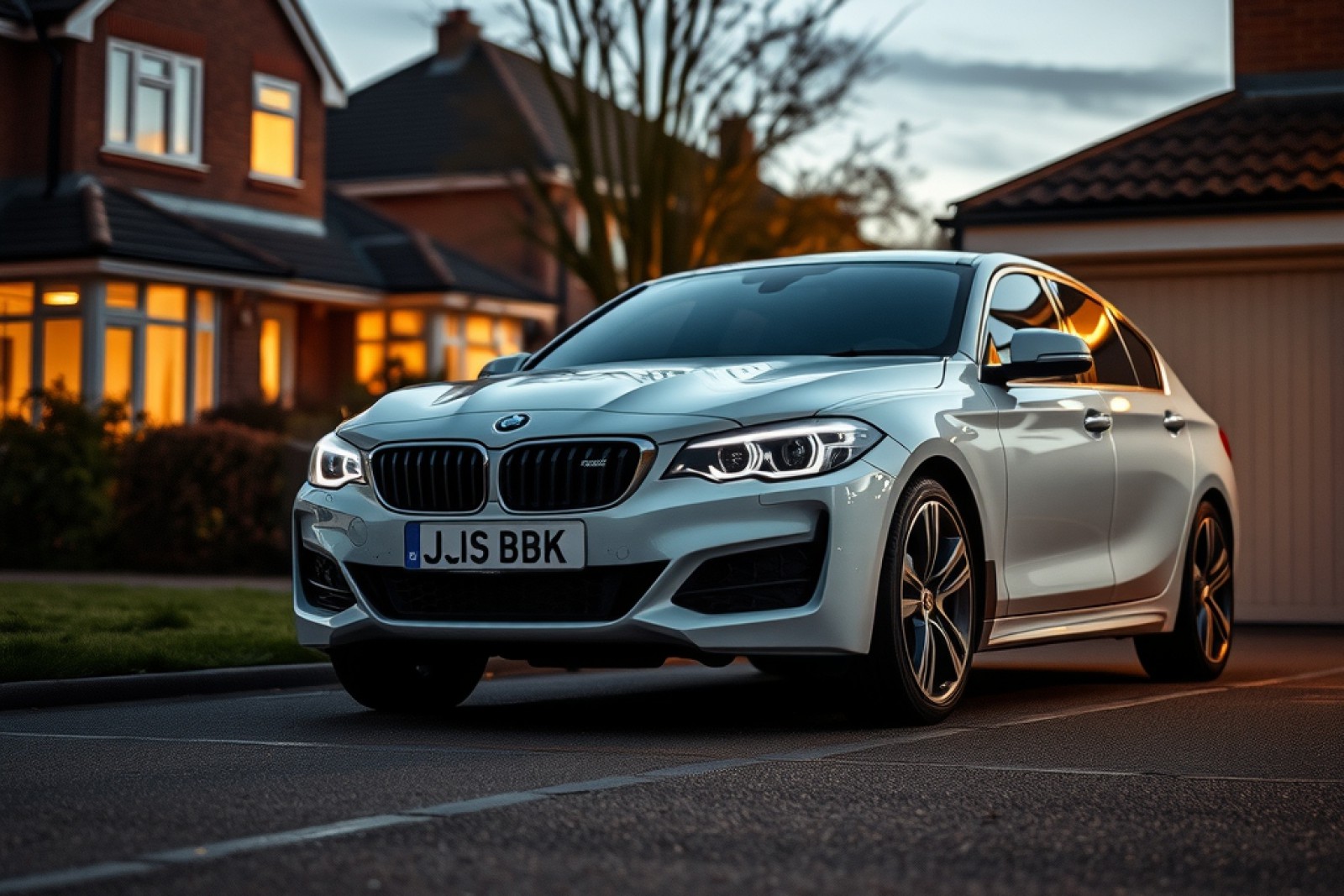
A keyless key fob constantly listens for a signal from your car. When the fob is close enough, the car unlocks and lets you start the engine. A relay attack tricks the car into thinking the fob is nearby when it is not.
It usually works like this:
- One thief stands near your front door or window with a device that picks up the weak signal from your key fob inside the house.
- That signal is boosted and passed to a second device held by an accomplice standing next to your car.
- The car believes the real key is beside it, so the doors unlock and the engine can be started.
The whole process can take under a minute and often leaves no signs of forced entry. This is the main method behind relay attack car theft, and it is why people ask whether thieves can steal a keyless car in the UK. The honest answer is yes, if the key signal is left exposed and the car has no extra protection.
Which Cars Are Most at Risk?
Any vehicle with passive keyless entry and start can be targeted in principle. That covers many mainstream makes, including popular models from Vauxhall, Hyundai, Nissan and Mercedes. Risk varies by model and age, and manufacturers have been adding protections such as fobs that go to sleep when still, or ultra-wideband technology that measures distance more accurately.
Things that raise your risk:
- Older keyless systems without motion sensing in the fob.
- Parking on a driveway or street close to where you keep your keys.
- Leaving keys on a hallway table, hook or windowsill.
- Having a single key, which makes any loss more disruptive. Our guide on what to do if you lose your car keys and have no spare covers that situation.
Check your owner’s handbook or ask a main dealer whether your model has a motion-sensing fob or a way to switch off the fob signal.
Signal Blocking Pouches and Boxes
The simplest defence is to stop the fob signal leaving your house. A signal blocking pouch (often called a Faraday pouch) or a metal-lined box surrounds the key with material that blocks radio waves.
Does a Faraday pouch stop relay attacks?
A good one does, because the thieves’ equipment cannot pick up a signal that never escapes. The catch is quality. Cheap pouches can wear out, develop small tears or have a poorly sealed fold. Test yours regularly: put the fob inside, close it, then stand next to the car and try the door handle. If the car unlocks, the pouch is not working.
Remember to put the spare key in a pouch as well. A protected main key is no use if the spare sits on a shelf. For more detail on options, read what is the best car key signal blocker, and for the science of materials, see our article on what material blocks car key signal.
Safe Key Storage at Home
Good habits cost nothing and make a real difference to stopping keyless theft:
- Keep keys away from doors and windows. Thieves need to be within a short range of the fob. Store keys in the middle of the house, ideally upstairs.
- Use a blocking pouch or box every night, and whenever the key is not in use at home.
- Do not leave keys in the car or on the driveway, even briefly.
- Switch off the fob if your model allows it. Some fobs can be put to sleep with a button combination listed in the handbook.
Our article on where to keep your car keys at night goes through storage ideas room by room.
Extra Layers of Protection
No single measure is perfect, so layer your defences.
Visible deterrents
A steering wheel lock is old-fashioned but effective. Thieves prefer quick, quiet jobs, and a visible lock can persuade them to move on. A lockable cover for the OBD port can also make it harder to program a new key.
How to disable keyless entry on my car
Many cars let you turn off keyless entry through the infotainment settings or with a fob button sequence. If you disable it, you will need to use the key manually or press the fob buttons to unlock. Procedures differ between makes, so check your handbook or ask a dealer. Never guess at settings if you are unsure.
Parking and tracking
- Park in a garage or a well-lit spot if you can, with the front of the car against a wall or gate.
- Consider a quality aftermarket tracker.
- Ask your manufacturer whether any software updates improve keyless security.
If your fob is behaving oddly or the car shows warning lights, a weak battery may be to blame. Read will a dead battery in a key fob cause the car not to start for troubleshooting.
What to Do If Your Car Has Been Stolen
- Call the police straight away and get a crime reference number. In Scotland, contact Police Scotland.
- Contact your insurer as soon as possible. Check whether your policy includes key cover; our guide on what key replacement cover in car insurance includes may help.
- Secure your remaining keys. If a key was involved or you suspect a compromise, have fobs checked or replaced. Rapid Lock Services can help with replacement keys and spares.
- Do not leave the car’s details unreported. Give the registration, make, model and any tracker information.
For more practical help with keys and security, browse our Car Key Advice section or the wider Rapid Lock Services blog.
Final Thoughts
Relay attack prevention comes down to a few consistent habits: block the signal, store keys sensibly, and add a visible physical deterrent. These steps cost little compared with the loss of a vehicle. If you need a replacement or spare key, or want advice on a lost fob, contact Rapid Lock Services for a quick, practical solution.